



Overview
- An electrical panelboard may need an upgrade when its condition, capacity, or technology can no longer support the building’s electrical demands.
- Signs such as physical damage, overheating, frequent tripping, flickering lights, and obsolete components can indicate that the existing panelboard needs attention.
- Meiji Electric provides electrical distribution solutions designed to support reliable power management in building applications.
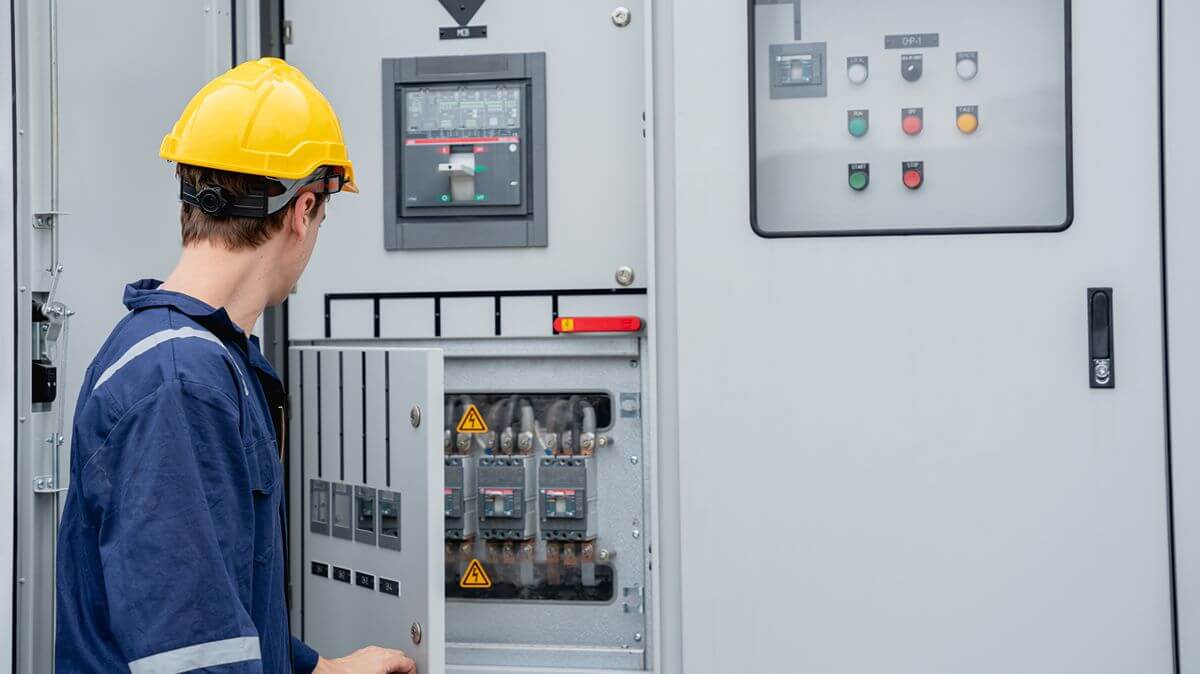
An electrical panelboard serves as the central point for distributing power to a building’s circuits. Its capacity and condition affect how reliably the electrical system supports connected equipment throughout daily operations. However, it can also deteriorate as electrical requirements change. If you fail to address these, the system may become less reliable and harder to maintain.
Recognizing when to upgrade your building’s electrical panelboard helps property owners and facility managers address these limitations before they affect operations. By knowing what to look for, you can act upon warning signs that reveal the equipment is no longer performing as it should. Continue reading to learn when to upgrade your electrical panelboard.
Key Signs You Need an Upgrade
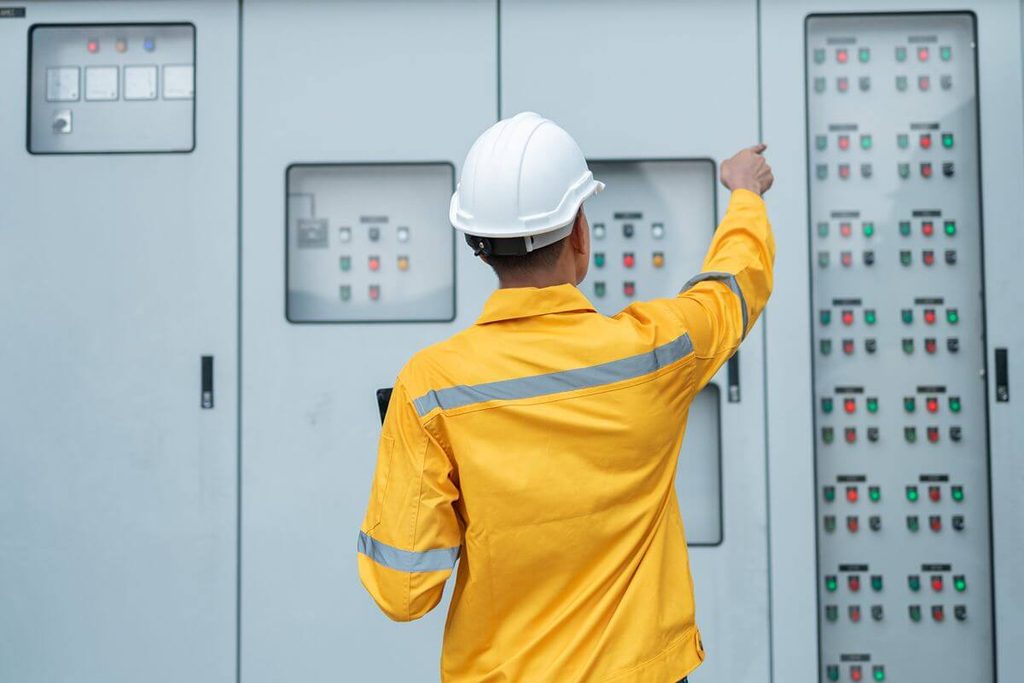
Certain warning signs can indicate that an electrical panelboard no longer meets the building’s electrical demands. Identifying these indicators early helps determine when the equipment needs replacement.
Physical Damage
If the panelboard shows visible damage, do not delay replacement. Damaged covers or broken components can weaken the enclosure and affect the panelboard’s ability to safely contain and distribute electricity. Once its physical integrity is compromised, keeping the damaged equipment in service can leave the building vulnerable to electrical faults and further deterioration.
Panelboards distribute power to the building’s individual circuits while housing the protective devices that control and isolate them. A replacement should restore these functions while providing enough capacity for the building’s present electrical load. Look for solutions with adequate circuit space and protection appropriate to the building’s installation conditions.
Overheating
Consider replacing a panelboard that repeatedly overheats, especially when the heat persists during normal building loads. Excessive temperature can result from overloaded circuits or deteriorating components that increase resistance within the system. Continued overheating can damage internal parts and reduce the panelboard’s ability to distribute power safely in residential or commercial buildings.
When replacing an overheated panelboard, choose one with a capacity suited to the building’s actual electrical load. The panelboard should also have properly rated components and sufficient circuit space to prevent stressing individual circuits. Selecting equipment designed for the building’s application can help prevent excessive heat from becoming a recurring issue.
Frequent Tripping
Replace your panelboard when its breakers trip repeatedly during normal building operations. Frequent tripping can indicate that the connected loads are exceeding circuit capacity, which can cause excessive current and heat to build up in the wiring. If left unresolved, this condition can damage electrical components and increase the risk of fire or other electrical accidents.
A properly functioning panelboard helps control power to each circuit and disconnects the supply when unsafe electrical conditions occur. Repeated tripping can therefore signal that the existing system is struggling to manage its connected loads safely. Addressing the underlying problem can reduce recurring interruptions and the risk of damage caused by excessive current.
Flickering Lights
Frequent flickering across multiple circuits can indicate that the panelboard is no longer distributing power consistently. A panelboard that struggles to maintain stable voltage can affect several connected circuits, making recurring flickering a sign that the equipment may no longer suit the building’s electrical demand. When the issue persists, replacing the panelboard may be necessary to restore reliable power distribution.
Persistent flickering can interfere with normal building operations and affect the performance of other electrical equipment. It can also signal that the panelboard is struggling to regulate power as expected. Addressing the issue promptly helps prevent unstable electrical conditions from developing into more serious safety concerns.
Obsolete Technology
An outdated panelboard can become unsuitable when its components no longer support the building’s current electrical system. Older equipment may rely on discontinued breakers or replacement parts that are difficult to source, making repairs and maintenance increasingly difficult. These limitations can make an upgrade a more practical solution when the panelboard can no longer be maintained reliably.
Obsolete components can also make routine repairs more difficult when suitable replacements are unavailable. This can extend equipment downtime and complicate future electrical system modifications. Upgrading the panelboard can make future repairs and electrical modifications easier to manage.
Operational Reasons to Upgrade
Beyond equipment-related issues, a panelboard may need an upgrade for practical reasons. These changes can affect how the electrical system supports the building, and addressing them early helps you maintain reliable power distribution.
Some of the common reasons include:
- Adding High-Power Equipment
- Property Renovations
- Insurance Requirements
- Running Out of Space
Get Durable Electrical Panelboards From Meiji Electric
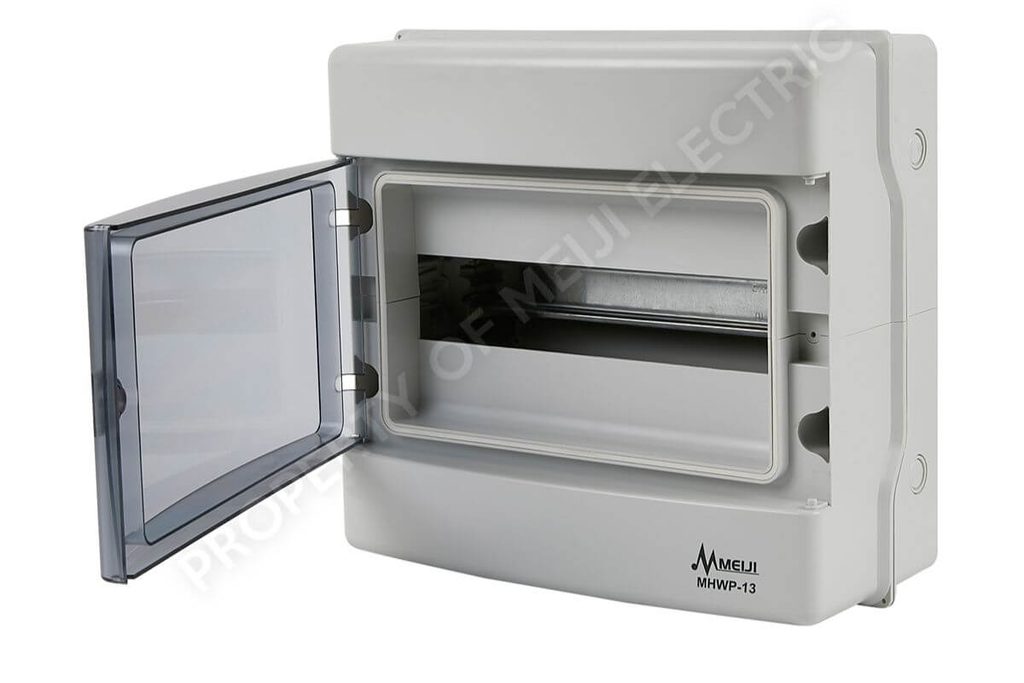
With over 30 years of experience, Meiji Electric provides reliable electrical solutions for facilities in the Philippines. We offer panelboards built for reliable power distribution and centralized control, ensuring that electrical systems can support the demands of commercial and industrial applications. Designed for a wide range of applications, our panelboards provide a reliable solution for centralized power management.
We offer the following panelboard solutions:
- Meiji Home Panel Metal Base MHP-06P
- Meiji Home Panel Metal Base 2-layer 32 Way MHP-32
- Meiji Weather-proof Enclosure 12 Way Circuit Box MHWP-13
- Meiji Weather-proof Enclosure 24 Way Circuit Box MHWP-26
Key Takeaway
Knowing when to upgrade your building’s electrical panelboard helps you respond to problems before they compromise electrical reliability. Different signs can show that the existing panelboard no longer meets the building’s needs. Proactive panelboard upgrades are key to maintaining a dependable electrical system.
With Meiji Electric’s panelboard solutions, you can support reliable power distribution for your building’s current electrical needs. Contact us today to choose quality equipment suited to your application.
No comment yet, add your voice below!