



Overview
- Dual-voltage devices simplify procurement and installation by operating across 110 V and 220 V systems via switch-mode power supplies or series-parallel transformer windings.
- Running equipment at 220 V halves current draw, minimizing heat buildup, wiring costs, and external converter clutter while Meiji Electric provides compliant, flexible solutions for scalable facility projects.
Electrical equipment must match the voltage supplied by the building to operate safely and as intended. However, sourcing the right devices becomes more complicated when a project involves facilities with different electrical requirements.
Procurement officers may need to order separate 110V and 220V units, making it harder to forecast quantities, manage inventory, and coordinate deliveries. Understanding how the dual voltage inputs support different electrical requirements helps address this challenge.
Switch-Mode Power Supplies (SMPS)
A switch-mode power supply (SMPS) converts electricity from a power outlet into the type of power an electronic device needs to operate. It controls the flow of electricity to deliver the right amount of power while keeping the component small and lightweight.
Many modern electronic devices use this type of power supply because it handles different input voltages. A similar need for voltage flexibility arises when using appliances with different voltage requirements. Consider a 1,000-watt step-up and step-down transformer that accepts a selected input of 100 V, 200 V, 220 V, or 240 V and provides both 110 V and 220 V outputs. This lets users run compatible appliances even when their required voltage differs from the available supply.
Series vs. Parallel Winding Configurations
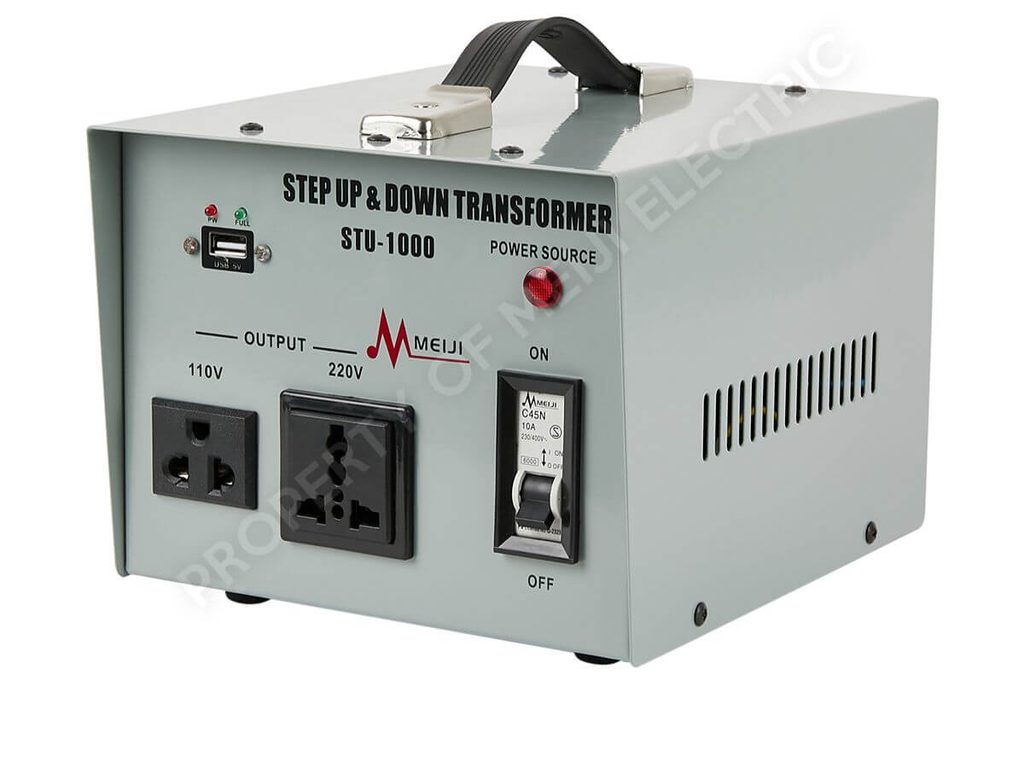
Some dual-voltage devices use two matching coils inside a transformer to handle different power supplies. Think of these coils as two parts that share the electricity coming into the device. How they connect depends on whether the supply is 110 V or 220 V.
For a 220 V supply, the two coils are connected end to end in series. This lets them share the voltage, so each coil receives 110 V. For a 110 V supply, they are connected side by side in parallel. Both coils receive 110 V and share the electrical load.
Connecting the coils correctly is important for safety. If they are connected incorrectly, too much current may pass through them, causing them to overheat or become damaged. In serious cases, this may lead to a fire. That is why you must set up the transformer according to the available supply voltage and the manufacturer’s instructions.
Current Reduction for Efficiency
A device needs a certain amount of electricity to work. When it operates at 220 V instead of 110 V, it uses about half the electrical current to do the same job. This is like doing the same work with less effort. In an office with twenty workstations, this means less current passes through the wires, circuit breakers, and outlets. With less current flowing, these parts produce less heat, reducing the risk of overheating and helping them last longer.
This is helpful in older office buildings where electrical circuits may already be carrying many devices. Using compatible dual-voltage equipment at 220 V reduces the current each device draws, leaving more room for other equipment on the circuit. However, an electrician must still check whether the wiring and circuit breakers can safely handle the added load.
Elimination of External Converters
Dual-voltage devices reduce the need for separate voltage converters when their input ratings match the building’s power supply. Too many external converters also mean more plugs and wires connected to outlets, which can lead to clutter, loose connections, and overloaded sockets if the electrical load is not properly managed, so reducing extra components helps keep workspaces organized and lowers potential electrical risks.
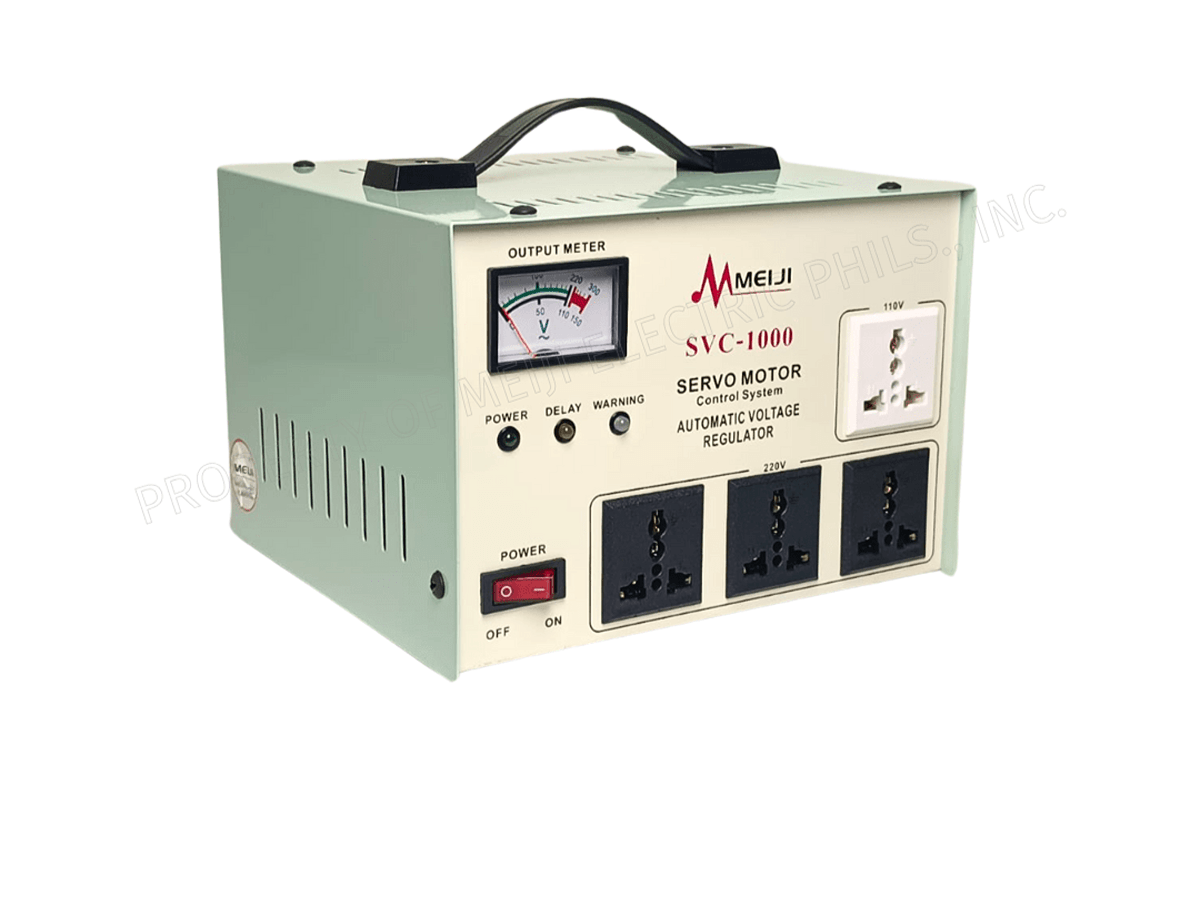
For appliances with different voltage requirements, Meiji Automatic Voltage Regulators (AVR) offer another practical option. AVRs feature an input selector for 110 V or 220 V and provide both 110 V and 220 V outputs. Rather than simply converting voltage, they regulate the output to help maintain a suitable supply for connected appliances. Meiji USB outlets also make charging easier by allowing users to connect phones and tablets directly without a separate charging adapter.
Key Benefits of Dual Voltage
By accommodating multiple voltage levels via automatic adjustment or manual selectors, dual-voltage devices eliminate duplicate inventory and simplify installation. This results in faster project closeout and fewer post-handover callbacks for voltage mismatches.
Global Compatibility
Dual-voltage devices support electrical systems that use different standard voltages. This makes them useful for businesses operating across different locations or managing equipment sourced from other countries. Instead of purchasing separate devices for each voltage standard, buyers have more flexibility when selecting compatible equipment. For example, a company importing office equipment from countries with 110 V power systems may need to install it in a Philippine facility that uses 220 V.
Wiring and Cost Efficiency
Running equipment at 220 V rather than 110 V halves the current draw for the same power output, minimizing heat buildup and reducing wiring costs. On large-scale projects, managing fewer device types and streamlined electrical loads further lowers material and labor expenses.
Versatility
As a business grows and adds equipment with different power needs, initial electrical installations must accommodate both existing supplies and future upgrades. Dual-voltage devices solve this by supporting two voltage ranges through automatic adjustment or a manual selector, allowing you to deploy compatible equipment across different rooms or buildings without stocking separate models for each voltage.
Why Choose Meiji Electric for Flexible Electrical Applications
Since our establishment in 1981, we have spent 45 years growing alongside our customers and adapting to their changing electrical needs. As technology and applications evolve, we continue to provide products that meet different installation requirements.
We also prioritize product quality and safety. Our products follow International Electrotechnical Commission (IEC) standards and carry the Philippine Import Commodity Clearance (ICC) mark, reflecting our commitment to reliable electrical solutions for homes, offices, and commercial facilities.
Key Takeaway
Understanding how dual voltage inputs support different electrical requirements helps businesses and contractors make smarter decisions when selecting electrical devices. Matching equipment to the available power supply is not just about getting it to work; it also affects installation costs, safety, maintenance, and future expansion.
Explore Meiji Electric’s range of reliable products for your project needs. Contact us now to plan your electrical installations with flexibility in mind.
No comment yet, add your voice below!