



Overview
- Single-voltage appliances require a matching power supply, while dual-voltage devices support two specified voltage levels.
- Checking voltage ratings before connecting equipment helps prevent overheating, poor performance, and electrical damage.
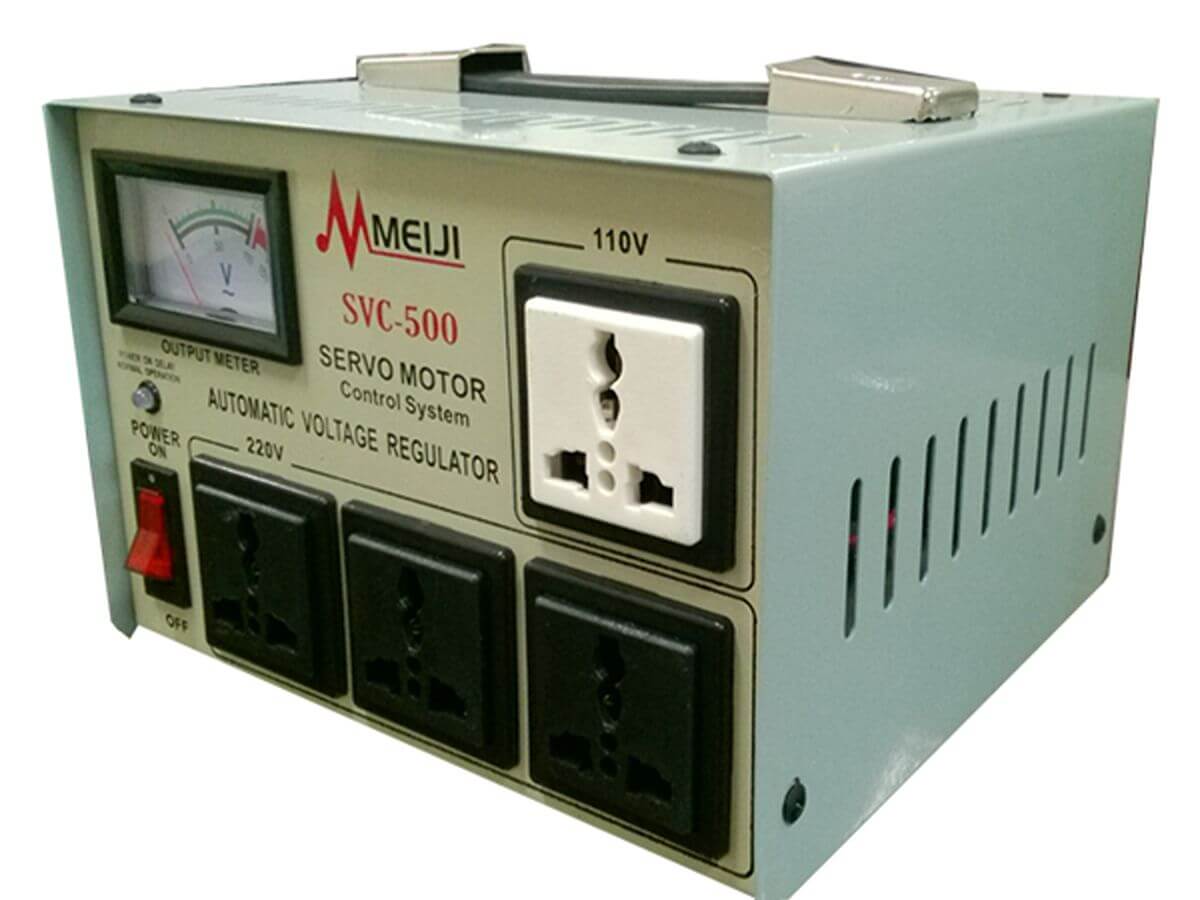
- Meiji Electric offers a range of transformer solutions to help match appliance voltage requirements and support safer electrical installations.
Every appliance or electrical device has a specific voltage requirement, usually indicated on its product label or nameplate. Some operate at only one voltage, while others support multiple.
Dual-voltage input vs. single-voltage input is not about which is better. It is about which specification matches the installation environment. Choosing equipment without checking its voltage requirements can cause compatibility issues, poor operation, or equipment damage, so understand these configurations to ensure electrical equipment matches the available power supply and the installation’s requirements.
Dual-Voltage vs. Single-Voltage Input
Dual-voltage devices operate across two voltage standards (typically 110V and 220V), whereas single-voltage appliances are built for one fixed supply rating. Understanding how each input handles incoming power prevents equipment damage and ensures safe operation across different electrical systems.
Dual-Voltage Input
Built to handle two voltage levels or a wide input range without a separate step-up or step-down transformer. For example, a laptop charger labeled 100–240V operates safely across that entire range, whilst other dual-voltage devices rely on either automatic detection or a manual selector switch.
- Plug Adapters vs. Converters: When travelling or operating equipment in a different region, you may still need a plug adapter to fit varying outlet shapes and pin configurations. A plug adapter changes only the physical connection to match the socket and does not convert electrical voltage.
Single-Voltage Input
Engineered to run strictly at one specific voltage printed on its nameplate, such as 110V, 120V, or 220V, with no ability to adjust to other supply levels.
For example, a 120V coffee maker is built to receive only the voltage needed to heat properly. Plugging it into a 220V outlet delivers excess voltage, causing overheating that can burn out the appliance or damage its internal components.
Plugging it into an outlet with much lower voltage prevents the heating element from getting hot enough to boil water properly, causing it to heat slowly or fail to work as expected.
Correcting Voltage Mismatches
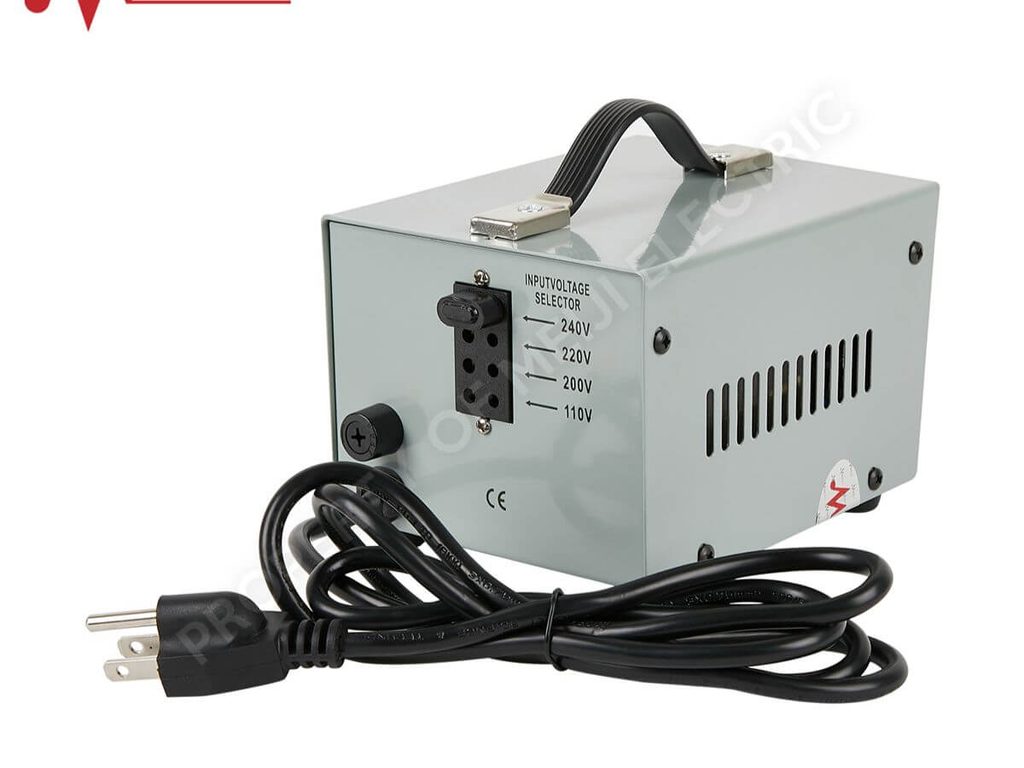
When running a single-voltage appliance on an incompatible power supply, use a transformer whose voltage and power ratings match your equipment’s requirements:
- Step-Up Transformer: Raises a lower supply voltage to a higher output (e.g., 110V to 220V).
- Step-Down Transformer: Reduces a higher supply voltage to a lower output (e.g., 220V to 110V).
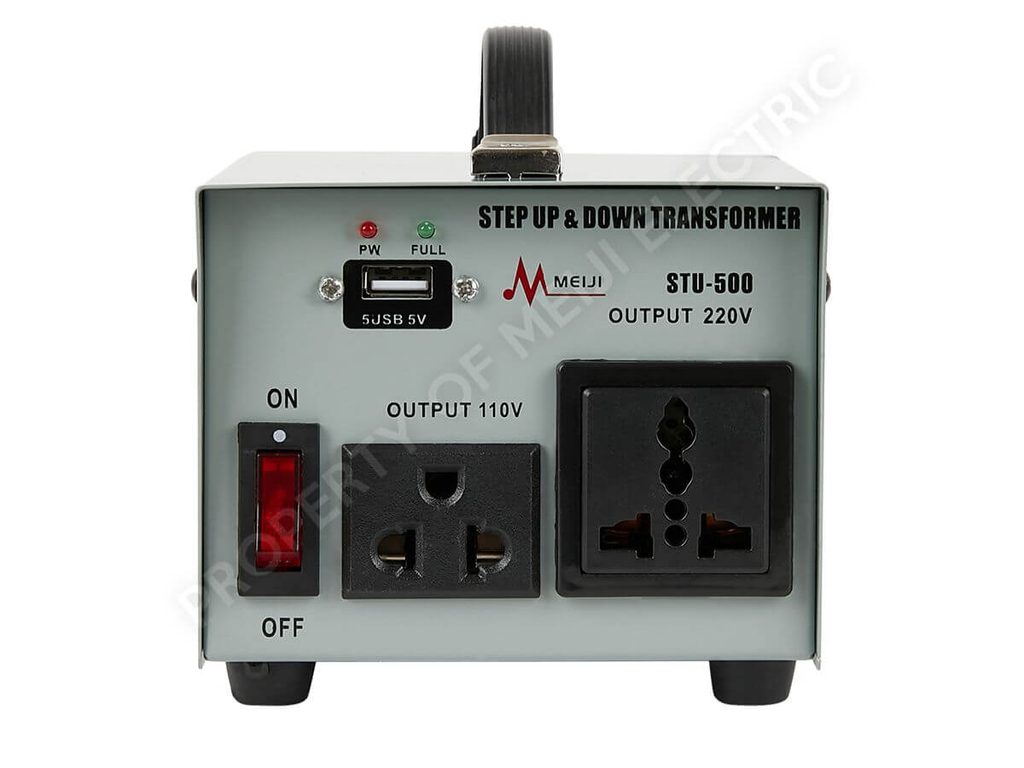
- Step-Up/Down Transformer: Combines both functions with dual output options, letting users select the exact voltage their appliances require.
The table below highlights the key operational differences between dual-voltage and single-voltage input devices. Use it as a reference when comparing equipment specifications with site conditions.
| Feature | Dual-Voltage Input | Single-Voltage Input |
|---|---|---|
| Voltage Range | Automatically adapts or manually switches across two standard ranges. | Fixed to a single specific voltage rating. |
| Travel and Global Use | Can be used where local mains voltage falls within its rated range Usually needs only a physical plug adapter. | Needs an appropriately rated step-up or step-down voltage converter or transformer if the local voltage does not match. |
| Risk of Mismatch | May be damaged if connected to a voltage outside its rated range. | May overheat or get damaged if connected to a higher voltage. A lower voltage may prevent it from working properly. |
| Common Examples | Laptop chargers Phone chargers Devices that support multiple voltage ranges. | Heating appliances Older electronic devices Motors that operate at a fixed voltage |
How to Determine the Voltage Requirements of Your Appliances
Check the voltage ratings of your appliances and devices before plugging them into an outlet. Now that you understand the difference between dual-voltage and single-voltage input, make sure each device matches the available power supply to prevent overheating, equipment damage, and electrical fires. Here’s how to verify your appliances’ voltage requirements.
Check the Appliance Nameplate or Label
Start by locating the nameplate, usually found on the back, bottom, or side of an appliance. Look for the voltage rating, which may appear as a single value (220V) or an input range (100–240V). This indicates the supply voltage the appliance is designed to accept. Also check whether it requires manual voltage selection or supports automatic adjustment.
Consult the User Manual
If the nameplate does not provide enough information, refer to the user manual. It typically contains detailed electrical specifications, operating limits, and instructions for connecting the appliance to a power source.
Measure the Outlet Voltage
Use a suitable multimeter to check the electrical supply at the outlet. Compare the reading with the appliance’s rated input to identify possible differences. For a more detailed assessment, a plug-in power meter designed for the local outlet type provides voltage readings and may also monitor power consumption during operation.
Consult a Licensed Electrician
When readings are inconsistent, or an installation involves multiple appliances, seek an assessment from a licensed electrician. They can evaluate the supply voltage, inspect the circuit, and check whether the wiring and protective devices are appropriately rated. This is particularly important for commercial installations where several appliances operate on the same electrical system.
Why Meiji Electric Is a Trusted Name in Electrical Equipment
With 45 years of experience in the electrical business, Meiji Electric brings established industry knowledge to selecting electrical equipment.
Recognizing that proper voltage matching is essential to equipment performance and safety, the company offers a range of transformer solutions, including dual-output transformers. These transformers provide flexibility in adjusting voltage to meet different appliance requirements.
Key Takeaway
Dual-voltage input vs. single-voltage input is not just a matter of convenience. It is a safety consideration that affects how well your appliances operate and how long they last. Always check voltage ratings before connecting equipment, and use the appropriate transformer when the supply does not match.
Contact us now and explore our range of transformer solutions to find the right fit for your electrical requirements.
No comment yet, add your voice below!