




Overview
- Sci-fi films and shows have imagined technologies that later became part of everyday life.
- Mobile phones, tablets, 3D printers, and video calls all have similarities to ideas once seen in science fiction.
- These examples show how futuristic concepts can eventually become practical technologies
If you’re an avid fan of sci-fi movies and shows, you’ve probably noticed that they often feature some impressive technology. Writers have imagined everything from handheld communication devices to machines that can create objects on demand, often decades before similar technologies became part of everyday life.
While a lot of sci-fi technology cooked up in movies still remains fictional, some ideas that once seemed futuristic now have real-world counterparts. Even technologies like motion-sensor devices for homes in the Philippines, which might once have seemed like something out of a sci-fi story, are now readily available.
So, which technologies made the jump from science fiction to reality?
Mobile Phones

Portable communication has been a staple of science fiction for decades, and one of the best-known examples is the handheld communicator from the original Star Trek television series.
Martin Cooper, the Motorola engineer who led the development of the first handheld cellular phone, has cited Star Trek technologies as part of the inspiration surrounding portable communication. Cooper made the first public call using a handheld cellular phone in 1973.
Today, mobile phones go far beyond making calls. Smartphones have become portable devices that allow us to message people, access the internet, take photos, navigate, work, and communicate from almost anywhere.
Tablets
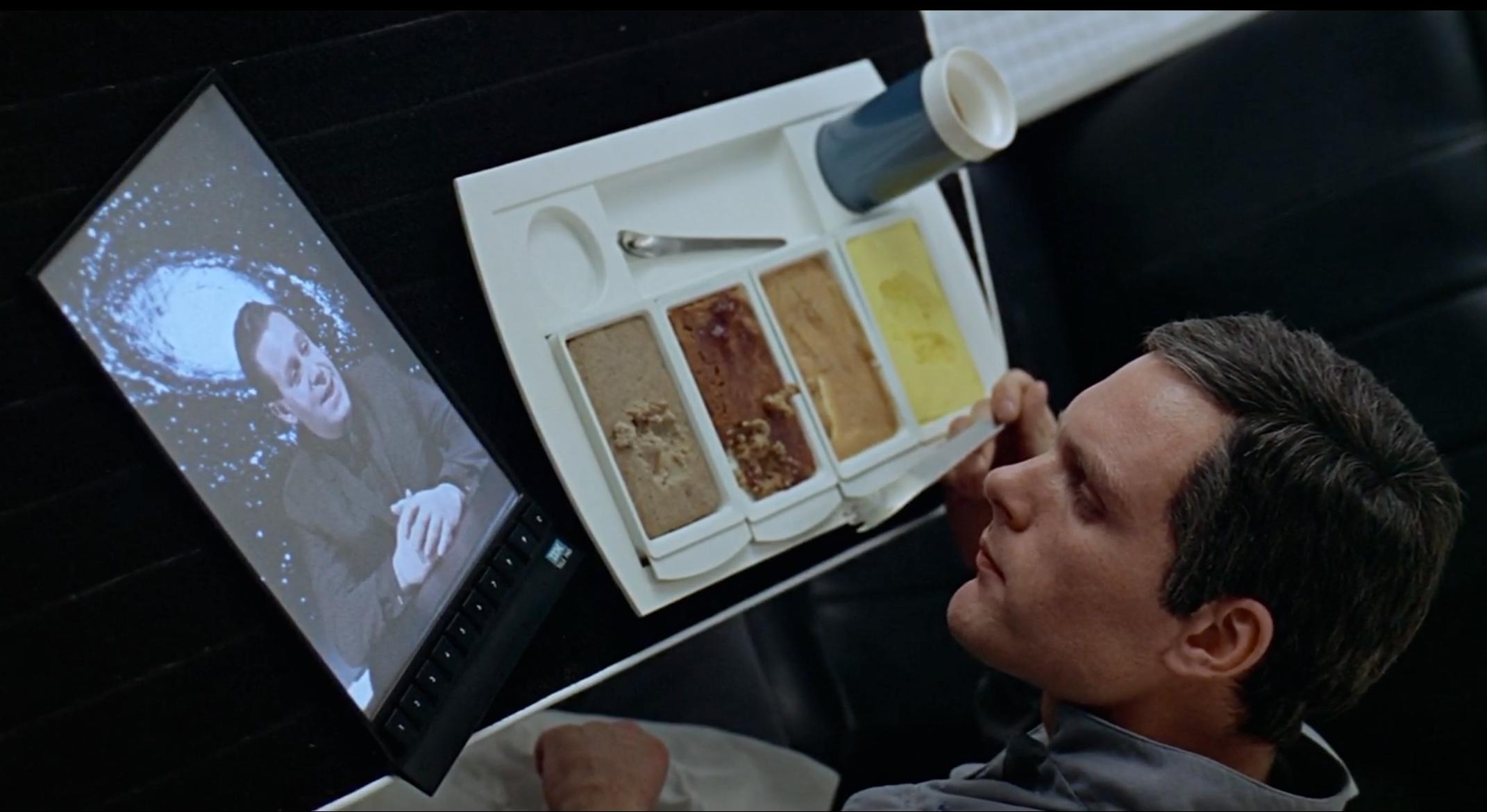
Modern tablets have become so common that using a touchscreen device to read, watch videos, work, or communicate hardly seems futuristic anymore.
But audiences saw something remarkably similar decades ago.
In the 1968 film 2001: A Space Odyssey, characters are shown using flat, screen-based devices for consuming information and entertainment. The film was released during a period when computers were still largely bulky machines, making its vision of portable digital technology particularly notable.
Today, tablets combine many of the functions of computers and smartphones into lightweight devices we can carry almost anywhere.
3D Printers
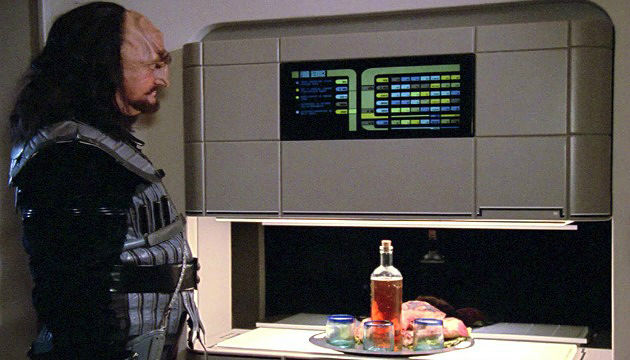
The mobile phone isn’t the only modern technology with a connection to Star Trek.
The franchise features a fictional device called the Replicator, which can create food and other objects on demand. Modern 3D printers cannot make objects appear out of thin air, but they can create physical items by building materials layer by layer based on a digital design.
The technology has advanced significantly over the years, with 3D printing now being used in industries such as manufacturing, healthcare, engineering, and even space research.
Researchers are also developing 3D food-printing technologies that can create customized foods using printable ingredients.
It may not be a Star Trek Replicator yet, but the idea of digitally creating physical objects is no longer purely science fiction.
Videophone
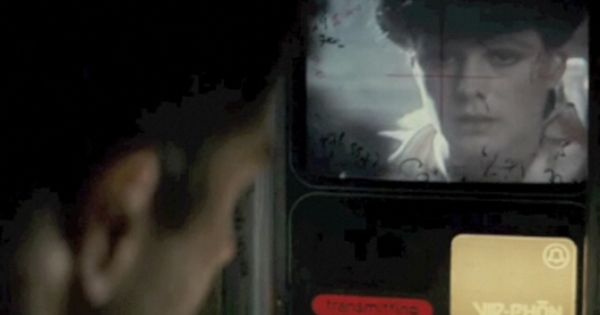
Video communication is another technology science fiction imagined long before it became part of everyday life.
Films such as 2001: A Space Odyssey depicted people communicating through screens, showing a future in which people could speak face-to-face even when they were far apart.
Today, video calls are available on smartphones, tablets, laptops, and desktop computers. People can hold meetings, attend classes, talk to family members, or work with colleagues thousands of miles away in real time.
What once looked futuristic on the big screen has become an ordinary part of how we communicate.
Key Takeaway
Technology has come a long way, and some inventions that once seemed possible only in science fiction are now things we use every day.
Mobile phones, tablets, 3D printing, video calls, and even technologies such as motion sensors show how ideas that once seemed futuristic can eventually become practical applications.
And there are still plenty of science-fiction technologies waiting to become reality. Will truly practical hoverboards be next? Or will another invention surprise us first?
Only time will tell which science-fiction idea becomes part of everyday life next.
No comment yet, add your voice below!