



Overview
- Damaged wiring devices, extension cords, plugs, and electrical tools can increase the risk of electric shock and fire.
- Regular inspection and proper use of electrical products can help prevent many common electrical hazards.
- Replacing damaged equipment and using appropriate protection such as GFCIs are important steps in keeping your home safer.
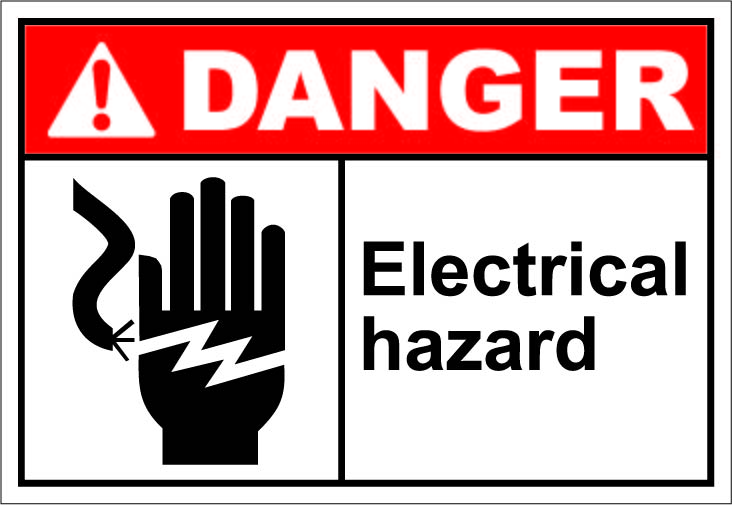
Every year, plenty of people fall victim to electrical hazards. During the holiday season, when more lights, decorations, extension cords, and other electrical devices may be in use, it becomes even more important to take the necessary precautions.
One of these precautions is checking and replacing old or damaged wiring devices. When neglected, faulty wiring devices in the Philippines can increase the risk of electric shock, overheating, and electrical fires.
Save your home from potential hazards by taking the necessary steps to prevent electrical problems in your wiring devices. Here is a list of things you can do to minimize the risk of electrical hazards.

Check Extension Cords
Before turning on or plugging something into your extension cords, inspect them first. Make sure the insulation doesn’t have cracks, tears, exposed wires, or other signs of damage.
Avoid tightly knotting, twisting, or pinching extension cords, as this can damage the insulation or wiring inside. You should also make sure that the extension cord is properly rated for the electrical load you intend to connect.
If an extension cord is already damaged, replace it instead of attempting to continue using it.
Inspect Power Tools
Inspect your power tools regularly. If you see that the cord, plug, insulation, blades, or grounding pin is damaged, stop using the tool until it has been properly repaired or replaced.
Watch out for warning signs such as overheating, smoke, sparks, or a burning smell. If you notice any of these while using a power tool, turn it off and disconnect it from the power source as soon as it is safe to do so.
Replace Damaged Insulated Tools
Check your insulated tools for damage before using them. If you find a crack, cut, or other damage to the insulated layer of the tool, stop using it.
The insulation is designed to provide additional protection when working around electrical equipment. Once that protective layer becomes damaged, the tool may no longer provide the level of protection it was designed for.
Replace damaged insulated tools rather than continuing to use them in electrical work.
Don’t Alter Electrical Plugs
Sometimes, people alter electrical plugs to make them fit into an incompatible outlet. Never do this, as modifying plugs or removing grounding pins can increase the risk of electric shock and other electrical hazards.
Instead, use electrical devices and outlets that are properly compatible with one another. If an outlet needs to be replaced or upgraded, have the work performed by a qualified electrical professional.
Never remove the grounding pin from a three-prong plug simply to make it fit into a two-slot outlet.
Keep Extension Cords Inside
Are you using an extension cord for your lights or other electrical devices outside? Make sure the extension cord is specifically rated for outdoor use.
Keep outdoor cords away from standing water and areas where they may be stepped on, pinched, or run over by vehicles. Even when there is no visible tear in the insulation, repeated pressure can damage the wiring inside the cord and create an electrical hazard.
Keep Your Wiring Devices Dry
Electricity and water don’t mix well, so keep your wiring devices and electrical equipment away from wet conditions unless they are specifically designed for that environment.
Ground Fault Circuit Interrupters or GFCIs provide additional protection in areas where electricity and moisture may be present. A GFCI monitors the electrical current flowing through a circuit and quickly shuts off power when it detects an imbalance that may indicate a ground fault.
GFCIs are commonly used in areas such as kitchens, bathrooms, garages, outdoor spaces, and other locations where electrical equipment may be exposed to moisture.
Use Outlet Covers
Exposed outlets can pose a risk to young children who may try to insert their fingers or other objects into the socket.
Using appropriate outlet covers or other suitable outlet protection can help prevent accidental contact. For outdoor outlets, weatherproof covers can also provide added protection against environmental exposure when properly selected and installed.
To avoid this, purchase outlet covers from your electrical supplier.
Key Takeaway
Anyone can become a victim of an electrical hazard caused by damaged or improperly used wiring devices. Regularly inspect your extension cords, plugs, tools, and outlets, and replace anything that shows signs of damage.
Remember that electrical safety should not only be a priority during December or the holiday season. Proper maintenance and safe electrical practices should be followed throughout the year to help protect your home and everyone in it.
If you need reliable wiring devices or other electrical safety products for your home or establishment, contact Meiji Electric to learn more about the electrical solutions available for your requirements.
No comment yet, add your voice below!